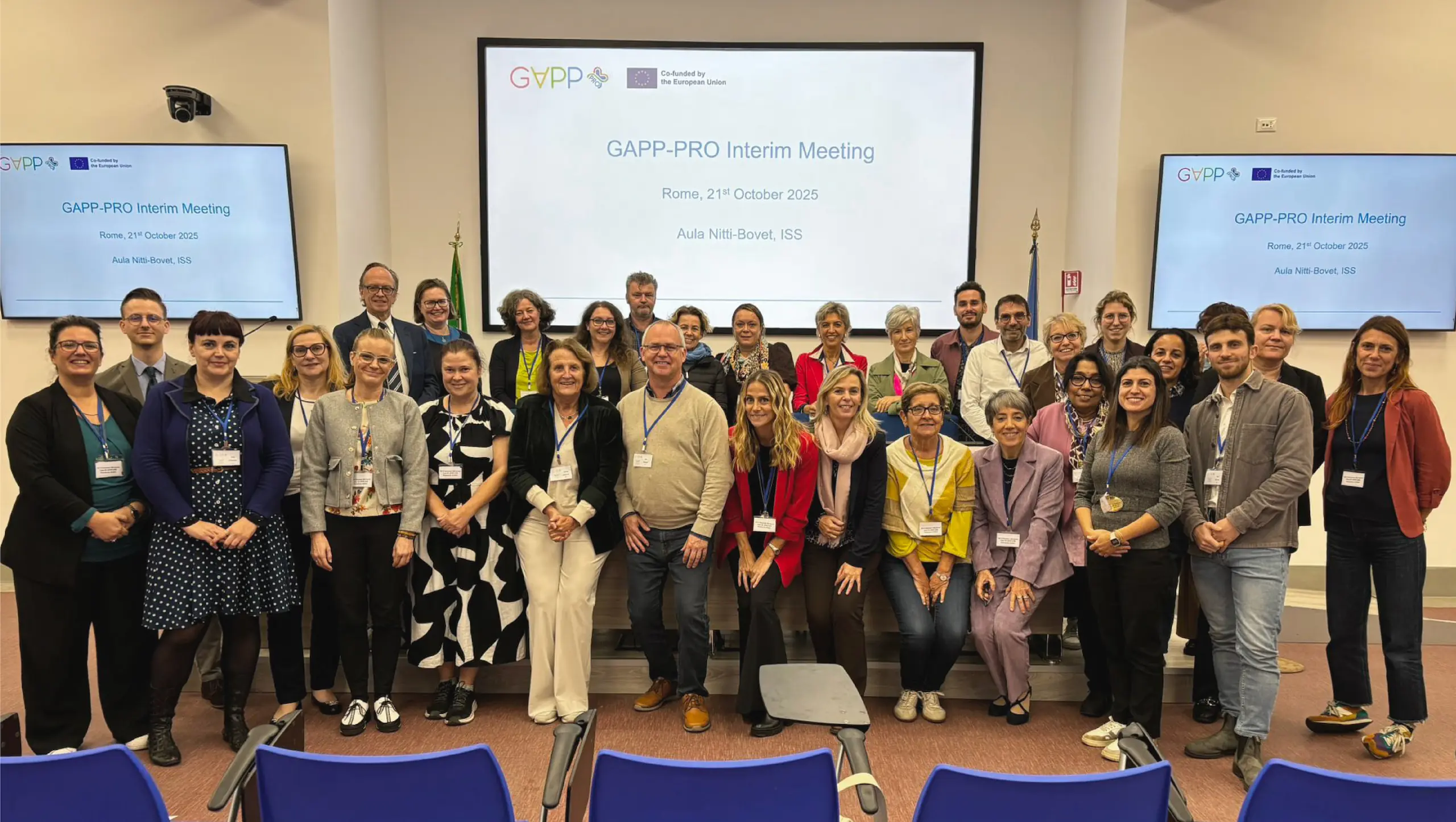
The GAPP-PRO Joint Action is making significant progress in validating and piloting the GAPP methodology across Europe. Work Packages 5 and 6 are delivering crucial insights through structured evaluations of Preparation Process Dossiers (PPDs), supporting harmonised, risk-based approaches for Substances of Human Origin (SoHO) processing.
Work Package 5 (WP5) is focused on evaluating the applicability of the GAPP methodology to selected SoHOs, including bedside preparations. Pilot activities are carried out by a dedicated Working Group composed of experts from blood, tissue, and cell establishments, scientific societies, and competent authorities from at least five European countries. This technical work aims to validate the methodology through a structured SWOT analysis, identifying risk levels, key strengths, and areas for improvement. The systematic evaluation provides essential guidance for refining the GAPP methodology and ensuring a robust, reliable assessment framework across Europe.
Work Package 6 (WP6) complements this work by performing pilot studies for joint country assessments of novel Preparation Process Authorization requests. WP6 compares risk evaluations between Blood, Tissue, and Cell establishments and Competent Authorities to test the feasibility and added value of the GAPP methodology, while highlighting similarities and divergences in assessment practices across European countries. Within WP6, two complementary approaches support the evaluation of PPDs:
- Cross-Country Assessment – carried out independently by different Competent Authorities (at least three), each providing a report based on its standard procedures, offering insights into how the same PPDs are evaluated across multiple countries.
- Joint Country Assessment – conducted collaboratively by Competent Authorities from different countries to identify potential obstacles in interpreting the GAPP methodology.
The final selection of PPDs for pilot testing reflects a collaborative effort involving Work Packages 1, 5, and 6, experts from participating countries, and European Commission representatives. Selected PPDs include:
Blood
- Non-DEHP Blood Bags
- Blood-Derived Eye Drops
- Platelet Rich Plasma from Cord Blood
- Lower Titer 0 Whole Blood
- Red Blood Cells from Cord Blood for Transfusion of Premature Neonates
Tissues & Cells (T&C)
- Prodigy Validation Cell Processing Graft Manipulation for Transplant with the non-medical device CliniMACS
- SEPAX (Cell Processing Instrument)
- Oesophagus Transplant
MAR (Medically Assisted Reproduction)
- Thawing process for embryos (“fast thawing”)
- Ovarian tissue vitrification
Faecal Microbiota
- Faecal microbiota transplantation in patients with active ulcerative colitis
Breast Milk
- Treatment of human milk using ultra-high-pressure homogenisation technology
Share this